
3D/4D Volumetric Ultrasound Probe Repair
Repairing the Complete System, Not Just the Failed Component
Mechanical 3D/4D ultrasound probes are among the most complex ultrasound devices to repair. Their moving acoustic arrays, precision mechanical assemblies, internal fluid systems, and electronics must work together to produce reliable volumetric images. A failure in one component can affect the performance of the entire probe.
With experience repairing more than 12,000 mechanical 3D probes, Innovatus Imaging combines engineering and manufacturing knowledge with specialized repair processes to address failures across interconnected mechanical, fluid, electrical, and acoustic systems.
For invasive mechanical 3D/4D repairs, our approach includes rebuilding the fluidics system rather than addressing only the visibly failed component.
Every ultrasound probe repair is backed by a 12-month warranty.
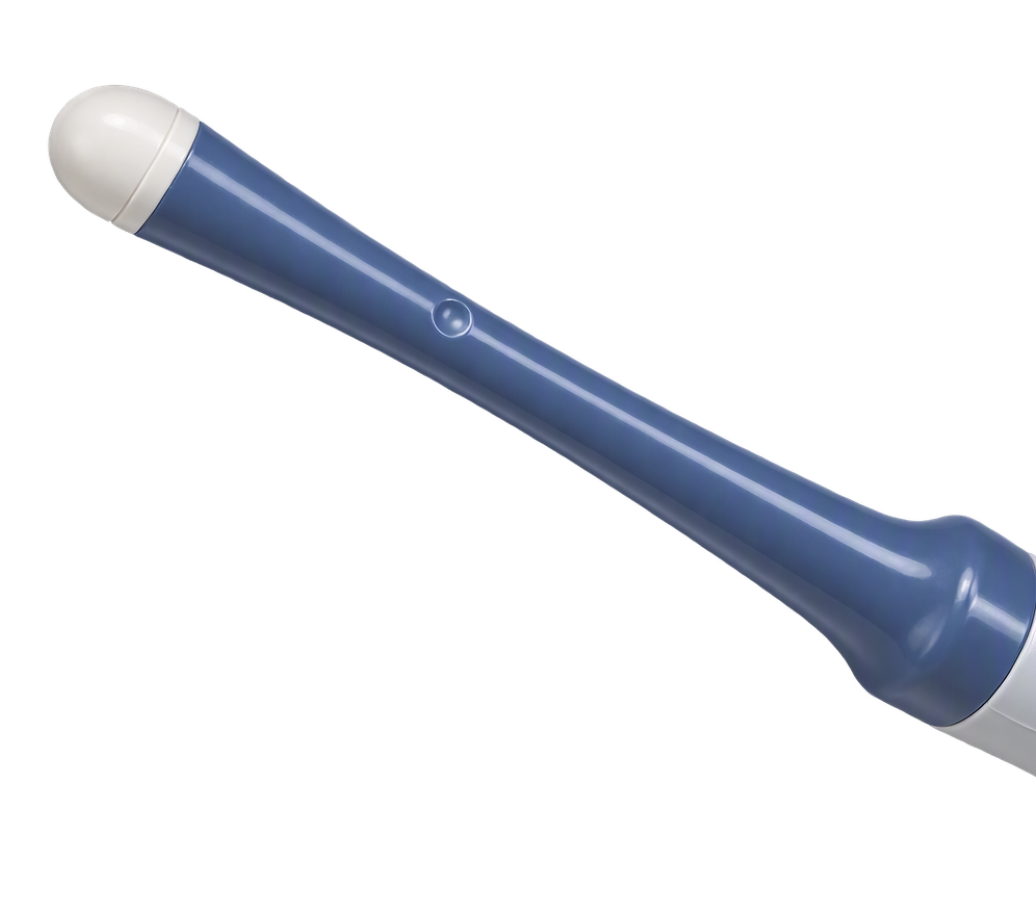
Why Mechanical 3D/4D Probe Repair Requires Specialized Expertises
Unlike conventional 2D probes, mechanical 3D/4D probes physically move an acoustic array to acquire the data used to construct volumetric images. This movement depends on the coordinated operation of several systems:
- Mechanical drive components: Motors, gears, and precision assemblies control the movement of the acoustic array.
- Position sensors and electronics: These components help control and monitor array movement during image acquisition.
- Fluidics and seals: Specialized acoustic coupling fluid and sealed assemblies support ultrasound transmission and mechanical operation.
- Acoustic array and electrical connections: These systems must maintain performance while operating within a moving mechanical assembly.
A probe may continue producing conventional 2D images even when a mechanical or positioning failure prevents successful 3D/4D acquisition.
Mechanical 3D/4D probes also differ from electronic matrix probes, which acquire volumetric imaging data through electronically controlled arrays rather than a moving mechanical assembly. Because their designs and failure modes differ, their repair requirements must be evaluated accordingly.
Innovatus applies model-specific engineering knowledge to identify how these systems interact and determine the appropriate repair approach.
Common Mechanical 3D/4D Ultrasound Probe Failures
Mechanical 3D/4D probes can experience electrical and acoustic failures similar to conventional ultrasound probes, along with problems specific to their moving components and fluid systems.
Motor, Drive, and Positioning Failures
- Wear, impact damage, or component malfunction can interfere with the movement of the acoustic array.
- Symptoms may include interrupted or incomplete sweeps, intermittent 3D/4D operation, unusual vibration, or scanner error messages related to motor positioning.
- These failures may prevent volumetric imaging even when the probe continues to function in 2D mode.
Fluid Leaks and Air Bubbles
- Mechanical 3D/4D probes use specialized fluid within a sealed assembly to support acoustic coupling.
- Damaged seals, deteriorating materials, or physical trauma can allow fluid to escape or air to enter the system. Air bubbles may cause image artifacts or shadowing, while fluid loss can compromise internal operation. When a leak presents, Innovatus rebuilds the entire fluidics system to ensure like-new performance designed to reset the device lifecycle.
Damaged Domes and Mechanical Assemblies
- Impact damage or deterioration can affect the probe’s dome, internal mechanical structures, or the alignment of moving components.
- These conditions may interfere with acoustic transmission, mechanical movement, or volumetric image acquisition.
Image Quality and Electrical Failures
- Mechanical 3D/4D probes can also experience cable damage, electrical intermittencies, acoustic array failures, and image dropout.
- Because these problems may occur alongside mechanical failures, evaluating the complete probe is important before determining the necessary repairs.
How Innovatus Repairs the Complete Mechanical 3D/4D System
A successful mechanical 3D/4D repair requires more than restoring the operation of an individual failed component. The mechanical, fluidic, electrical, and acoustic systems must function together to support reliable imaging.
Innovatus uses a comprehensive, model-specific approach to evaluation, repair, and performance verification.
Complete Probe Evaluation
- The repair process begins with an assessment of the reported failure and the condition of the complete probe.
- Depending on the model and symptoms, evaluation may include the mechanical drive system, position sensors, fluidics, electrical connections, acoustic components, and overall physical condition. This helps identify contributing failures that may not be apparent from the original symptoms.
Specialized Mechanical Repair and Fluidics Rebuilding
- Innovatus performs repairs based on the probe’s design, condition, and identified failures.
- For mechanical 3D/4D probes requiring invasive repair, Innovatus rebuilds the fluidics system as part of its repair methodology. This approach addresses the integrity of the acoustic coupling fluid system alongside the mechanical work being performed. Restoring the fluid system is particularly important because compromised seals, contamination, or trapped air can affect image quality and probe performance.
- The process draws on Innovatus’s knowledge of probe construction, materials, mechanical assemblies, and model-specific repair requirements.
Mechanical, Acoustic, and Functional Testing
- Following repair, Innovatus performs applicable testing to verify the probe’s mechanical operation, electrical integrity, acoustic performance, and functional condition.
- For mechanical 3D/4D probes, this includes relevant testing of array movement and volumetric imaging functions. These processes are supported by an ISO 13485-certified quality management system, and all ultrasound probe repairs include a 12-month warranty.
When Should You Repair Rather Than Replace a Mechanical 3D/4D Probe?
A motor failure, fluid leak, damaged dome, or loss of 3D/4D imaging capability does not automatically mean the probe must be replaced. The appropriate decision depends on the probe model, extent of damage, condition of the acoustic array, and whether the affected mechanical and fluid systems can be restored to acceptable performance.
For qualifying probes, specialized repair may offer a cost-effective alternative to replacement while preserving access to the imaging capabilities the clinical team needs.
Innovatus evaluates the complete device and provides a repair quote for approval, helping healthcare organizations make an informed repair-versus-replacement decision. For facilities that need to maintain equipment availability during repair, finished-goods loaners and expedited service options may be available for qualifying models.
Frequently Asked Questions About 3D/4D Volumetric Ultrasound Probe Repair
Can mechanical 3D/4D ultrasound probes be repaired?
- Yes. Many mechanical 3D/4D probe failures can be repaired, depending on the model and extent of damage. Innovatus evaluates the mechanical drive system, fluidics, electronics, and acoustic components to determine whether the probe can be restored.
Why does my ultrasound probe work in 2D mode but not 3D mode?
- Mechanical 3D/4D probes use motors, positioning components, and moving acoustic arrays to acquire volumetric images. A failure in these systems may prevent 3D/4D operation even when the probe continues to produce conventional 2D images.
Can a mechanical 3D/4D probe be repaired if it has an air bubble or fluid leak?
- Repair may be possible, depending on the model of the probe. Air bubbles or fluid loss can indicate a compromised fluid system that requires evaluation of the seals, internal assemblies, and acoustic coupling fluid. Innovatus uses specialized fluidics rebuilding processes when invasive mechanical 3D/4D repairs are required.
What makes mechanical 3D/4D probe repair different from conventional ultrasound probe repair?
- Mechanical 3D/4D probes contain moving acoustic arrays, motors, positioning systems, and sealed fluid assemblies that are not present in conventional 2D probes. Repair requires evaluating these interconnected systems and verifying mechanical operation alongside electrical and acoustic performance.
What warranty does Innovatus provide on mechanical 3D/4D probe repairs?
- Innovatus backs all ultrasound probe repairs, including mechanical 3D/4D repairs, with a 12-month warranty.
Restore Your Mechanical 3D/4D Volumetric Ultrasound Probe With Innovatus
If your mechanical 3D/4D probe is experiencing motor failures, fluid leaks, image artifacts, or loss of volumetric imaging, Innovatus can evaluate the device and determine whether specialized repair is appropriate.
Contact our team with your probe make, model, and reported symptoms to discuss repair options.